


What is a Laparoscopic Myomectomy ?
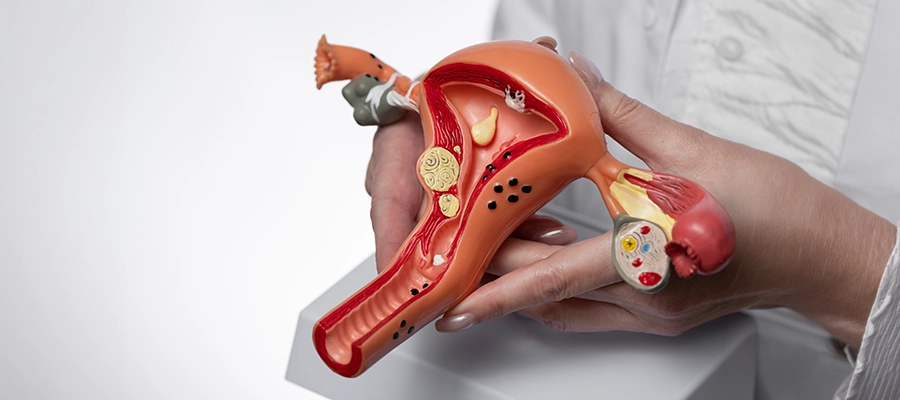
myomectomy is one of the modern surgical methods used in the treatment of uterine fibroids, which are common in women. It involves removing fibroids from the uterus using a minimally invasive surgical technique, as it allows for treatment without large incisions. This minimally invasive procedure both removes the fibroids and preserves the uterus, offering a significant advantage, especially for patients planning to conceive. Thanks to advancements in surgical techniques, it is widely used today as a safe and effective method.
Laparoscopic myomectomy performed?
The decision for surgery is determined by the patient’s symptoms and the characteristics of the fibroid. Laparoscopic myomectomy is generally preferred in cases of excessive menstrual bleeding, pelvic pain, rapidly growing fibroids, and situations affecting pregnancy plans, as these symptoms can significantly reduce quality of life. Furthermore, fibroids pressing on the bladder or intestines may also necessitate surgery. Each patient should be evaluated individually.
Laparoscopic myomectomy ?
Not every patient may be suitable for this method. Laparoscopic myomectomy is preferred especially in patients with small to medium-sized fibroids, good general health, and who are suitable for minimally invasive surgery, because this method technically requires specific criteria. Open surgery may be more appropriate for very large fibroids or those with widespread locations. Therefore, patient selection is extremely important.
How is a minimally invasive myomectomy performed?
The operation is usually performed under general anesthesia. During laparoscopic myomectomy , small incisions are made in the abdominal area to insert a camera and surgical instruments. The fibroids are carefully separated from the uterine tissue and removed. The uterine tissue is then repaired. During this process, care is taken to preserve healthy tissue. The duration of the operation may vary depending on the number and size of the fibroids.
Laparoscopic myomectomy and open myomectomy ?
There are significant differences between surgical techniques. Laparoscopic myomectomy is a minimally invasive procedure performed through small incisions because a camera is used to assist the procedure. Open surgery involves larger incisions. The minimally invasive method results in a shorter recovery time, less pain, and a shorter hospital stay. Open surgery may be preferred for larger and more complex fibroids.
Laparoscopic myomectomy ?
Laparoscopic myomectomy can offer the advantages of minimally invasive surgical techniques. Because this method involves less trauma to the body, there may be less pain, faster recovery, and a shorter hospital stay.
Additionally, it may leave less scarring from an aesthetic point of view. The recovery time and return to daily life may be shorter compared to open surgery.
laparoscopic myomectomy are as follows:
- Less pain
- Faster recovery
- Shorter hospital stay
- Less trauma to the body.
- Less scarring
- Return to daily life sooner.
Laparoscopic myomectomy ?
Laparoscopic myomectomy is a surgical procedure and therefore carries some risks. These include the risk of bleeding, infection, and, rarely, damage to surrounding organs.
There is also a possibility that fibroids can recur. Therefore, it is important that the surgery is performed by experienced surgeons.
laparoscopic myomectomy include:
- Bleeding
- Infection
- Risk of damage to peripheral organs.
- The possibility of fibroids recurring.
What is the preparation process for laparoscopic myomectomy ?
The preparation process is crucial for a safe and successful surgery. Before laparoscopic myomectomy, the patient’s overall health is thoroughly assessed, as the surgical plan is based on this information. Blood tests, ultrasound, and imaging techniques such as MRI may be performed if deemed necessary. Medications must be reported to the doctor, and any blood-thinning medications should be adjusted accordingly. Fasting for a certain period before surgery is required. Quitting smoking will positively impact the healing process. Furthermore, psychological preparation of the patient is also important.
laparoscopic myomectomy ?
Thanks to minimally invasive surgical techniques, the recovery process is generally quick and comfortable. After laparoscopic myomectomy, patients are often discharged the same day or the next day because the procedure is performed through small incisions . Mild pelvic pain, bloating, and fatigue may occur in the first few days. These symptoms usually subside quickly. Return to daily activities is possible within a few days, but heavy lifting and strenuous exercise should be avoided for a while. A balanced diet, plenty of fluids, and regular exercise support recovery.
Is pregnancy possible after laparoscopic myomectomy ?
In terms of fertility, this surgery generally yields positive results. Many women can conceive naturally after laparoscopic myomectomy because removing the fibroids makes the uterine lining more suitable. However, it is recommended to wait a certain period for the uterine tissue to heal. Pregnancy can usually be planned after 3 to 6 months. This timeframe may vary depending on the patient’s condition.
Can fibroids recur after laparoscopic myomectomy ?
Although fibroids are benign growths, they can recur. New fibroids may develop after laparoscopic myomectomy because this is related to hormonal and genetic factors. However, surgery ensures the complete removal of existing fibroids. With regular check-ups, new growths can be detected early.
laparoscopic myomectomy ?
Choosing the right specialist directly affects the success of the treatment process. For laparoscopic myomectomy , a gynecologist should be consulted because surgeons experienced in this field can perform the procedure more safely. It is especially important to choose physicians experienced in laparoscopic surgery. If necessary, planning can be done in collaboration with infertility specialists.
Frequently Asked Questions About Laparoscopic Myomectomy
laparoscopic myomectomy a minimally invasive fibroid surgery?
With advancements in surgical techniques, many surgeries have become more comfortable. Laparoscopic myomectomy , also known as minimally invasive myomectomy, is a method performed through small incisions in the abdominal area. A camera and specialized surgical instruments are inserted through these incisions to remove the fibroids. This results in less tissue damage and a faster recovery process compared to open surgery. This method is particularly preferred in suitable patients and is an important part of modern surgery.
How long does laparoscopic myomectomy take?
The duration of the operation can vary depending on the number, size, and location of the fibroids. Laparoscopic myomectomy generally takes between 1 and 3 hours, as the procedure may take longer if there are multiple fibroids or if the fibroids are large. Repairing the uterine tissue can also take time. Anesthesia and preparation also affect the total duration.
How many days do patients stay in the hospital after laparoscopic myomectomy ?
Thanks to minimally invasive surgical techniques, hospital stays are generally short. Most patients are discharged the same day or the next day after laparoscopic myomectomy because the procedure is minimally invasive. However, this time can vary depending on the scope of the surgery and the patient’s general condition. Some patients may require a few days of observation.
When can I return to work after laparoscopic myomectomy ?
The recovery process is usually rapid, and a return to daily life is possible in a short time. Most people can return to work within 1 to 2 weeks after laparoscopic myomectomy because this method, performed with small incisions, causes less trauma to the body. However, those who do heavy physical work may need to rest for a longer period. Following the doctor’s recommendations ensures a healthy recovery process.
Does Menstrual Cycle Change After Laparoscopic Myomectomy ?
Following surgery, some changes may occur due to hormonal imbalances. Differences may be experienced in the first few menstrual cycles after laparoscopic myomectomy because the uterine tissue is in the healing process. Especially when fibroids causing excessive bleeding are removed, it is possible for periods to become more regular and less heavy. However, if there are long-term irregularities, an evaluation should be conducted.
Is a vaginal delivery possible after laparoscopic myomectomy ?
The mode of delivery is determined by the extent of the surgery and the condition of the uterine tissue. Some women can have a vaginal delivery after laparoscopic myomectomy because it is possible if the uterus has healed properly. However, a cesarean section may be recommended if deep incisions were made in the uterus or if many fibroids were removed. This decision is evaluated by the doctor during the pregnancy. The strength of the uterine wall is one of the most important factors in birth planning.
Can all fibroids be removed laparoscopically?
The choice of surgical method depends on the characteristics of the fibroid. Laparoscopic myomectomy may not be suitable for every fibroid because very large, numerous, or fibroids located in the deep layers of the uterus may be difficult to remove using a minimally invasive method. In these cases, open surgery may be a safer option. Therefore, a detailed pre-operative evaluation is necessary.
laparoscopic myomectomy damage the uterus?
The most important goal in surgical procedures is to preserve healthy tissue. During laparoscopic myomectomy , while fibroids are removed, uterine tissue is preserved as much as possible because this structure is important for fertility. However, as with any surgical procedure, minimal tissue damage may occur. This risk is quite low when performed by experienced surgeons. With the correct technique, uterine functions are largely preserved.
When can I have sexual intercourse after laparoscopic myomectomy ?
Paying close attention to the post-operative recovery process reduces the risk of complications. Sexual intercourse is generally recommended 2 to 4 weeks after laparoscopic myomectomy because this is the time both the internal tissues and the incision sites need to heal. Engaging in intercourse earlier can cause pain and prolong the healing process. Therefore, obtaining approval from your doctor is the safest approach.