


What are Menstrual Pain and Premenstrual Problems?
Most women experience both physical and emotional changes throughout their menstrual cycle. Menstrual pain and premenstrual problems are among the most common symptoms of this process, as hormonal fluctuations have various effects on the body. Symptoms that appear especially a few days before menstruation begins are defined as premenstrual syndrome. During this period, bloating, breast tenderness, irritability, fatigue, and difficulty concentrating may occur. After menstruation begins, cramping pains may occur in the pelvic area. While these pains are mild in some women, in others they can be severe enough to make daily life difficult.
Lifestyle, stress levels, and dietary habits can directly affect the severity of these symptoms. Regular exercise, a balanced diet, and sufficient sleep can help alleviate symptoms. Furthermore, regular monitoring of symptoms allows for early detection of potential health problems.
What Causes Menstrual Pain?
The contractions that occur during the uterine cycle are the primary source of pain. Menstrual pain usually occurs during the shedding of the uterine lining because substances called prostaglandins are released during this process. These chemicals increase uterine contractions and cause pain. The higher the prostaglandin level, the more severe the pain can be. In addition, the decrease in the amount of oxygen delivered to the tissues during uterine contractions can also increase the pain. In some women, underlying health problems make this pain more pronounced.
endometriosis , fibroids, or infections can cause secondary pain. Stress, smoking, and a sedentary lifestyle can also increase the severity of pain. Therefore, it is important to monitor the pain regularly and consult a doctor when necessary.
Is Menstrual Cramping Normal, and When Should It Be Taken Seriously?
For most women, menstrual pain is considered normal, but in some cases, this pain should be carefully evaluated. If menstrual pain is mild and short-lived, it is usually normal because it is a natural result of uterine contractions. However, if the pain is very severe, lasts a long time, or increases over time, this may indicate an underlying health problem. In particular, pain that does not subside despite painkillers, severe cramps that affect daily life, and accompanying heavy bleeding should be taken seriously. Also, the sudden onset of pain that was not present before can be an important warning sign. In such cases, a gynecological evaluation is necessary. Early diagnosis provides a great advantage in the treatment of possible diseases.
What helps with menstrual pain?
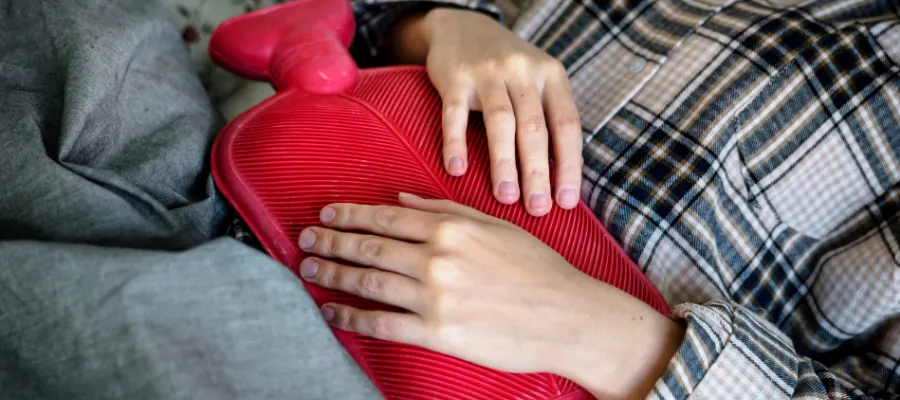
Pelvic cramps, which can affect daily life, can be significantly alleviated with the right methods. Among the methods that can be applied for menstrual pain, applying heat is quite effective because heat helps relax the uterine muscles. Placing a hot water bottle on the abdomen or taking a warm shower can reduce the pain. Light exercises and walking can also alleviate the pain by increasing blood circulation. In addition, consuming foods rich in magnesium and omega-3 can be beneficial. Herbal teas, especially chamomile and ginger tea, can have a relaxing effect. In severe pain, pain relievers can be used with a doctor’s recommendation. Regular sleep and stress management also make this process more comfortable. However, if the pain is very severe or increases every month, a specialist should definitely be consulted because there may be another underlying health problem.
What is Premenstrual Syndrome (PMS)?
Premenstrual syndrome (PMS) refers to the physical and emotional symptoms that arise due to hormonal changes. This condition, which can appear a few days before menstruation begins, can affect the nervous system due to fluctuations in estrogen and progesterone levels.
During this period, women may feel more sensitive, tense, or tired. They may also experience bloating, headaches, and changes in appetite. Symptoms usually lessen or disappear completely after menstruation begins.
Here are some habits that can help alleviate PMS symptoms:
- Healthy eating
- Regular exercise
- Stress management
- Enough sleep
- Reduce caffeine and salt intake.
What are the symptoms and causes of PMS?
PMS symptoms can manifest both physically and psychologically during the premenstrual period. Irritability, mood swings, fatigue, sleep problems, and muscle aches are common symptoms during this time.
Physical symptoms such as bloating, breast tenderness, and headaches may also occur. The underlying cause of these symptoms is changes in hormone levels. In addition, stress, dietary habits, and genetic factors can also affect PMS.
PMS symptoms and causes include:
- Irritability
- Mood changes
- Weakness
- Sleep problems
- Muscle aches
- Swelling
- Breast tenderness
- Headache
How is PMS diagnosed and treated?
Regular monitoring of symptoms plays a crucial role in the diagnostic process. PMS is usually diagnosed based on the patient’s complaints, as there is no specific test. The doctor evaluates the relationship between the symptoms and the menstrual cycle. Lifestyle changes are paramount in treatment. Regular exercise, healthy eating, and stress management can alleviate symptoms. Vitamin supplements or medication may be used when necessary. Hormonal treatments may be preferred, especially in cases of severe symptoms. Effective results can be achieved with personalized treatment planning.
What is the difference between PMS and PMDD?
In some cases, the symptoms can develop into a more severe condition. The difference between PMS and PMDD lies in the severity of the symptoms and their impact on quality of life, because PMDD ( Premenstrual Disorder ) PMDD (Dysphoric Disorder) is a more severe form. In PMDD , depression, intense anxiety, and significant mood swings can occur. This can seriously affect daily life and social relationships. While PMS is milder, PMDD absolutely requires medical treatment. Expert evaluation is crucial for an accurate diagnosis.
Which doctor should you see for menstrual pain and PMS?
Choosing the right specialist is crucial for effective treatment. Menstrual pain and PMS symptoms should be reported to a gynecologist, as the assessment in this area is conducted from a gynecological perspective. The doctor will investigate the cause of the symptoms and plan the necessary tests. In severe cases, collaboration with other specialties may be necessary. Early consultation ensures a faster and more effective treatment process.
Frequently Asked Questions About Menstrual Pain and Premenstrual Problems
Is using painkillers for menstrual cramps harmful?
Many people turn to medication for quick relief from pelvic cramps that disrupt daily life. Pain relievers used for menstrual pain are generally considered safe when taken in the correct dosage and under a doctor’s recommendation, as they alleviate uterine contractions by reducing prostaglandin production. Non -steroidal anti-inflammatory drugs (NSAIDs) are particularly common in this regard. However, uncontrolled and long-term use can lead to some side effects. Stomach upset, impaired kidney function, and rarely allergic reactions may occur. Therefore, pain relievers should be used as a supportive method when needed, not as a permanent solution. If you need to take medication every menstrual period, this may be a sign of an underlying problem. In such a case, you should definitely consult a specialist. In addition, lifestyle changes and natural methods such as heat application and exercise can also help reduce the need for medication.
Can a hot water bottle help with menstrual cramps?
Among natural and practical methods, applying heat can be quite effective in pain management. Applying a hot water bottle to the abdominal area during menstrual pain helps relax the muscles because the heat increases blood circulation and reduces uterine contractions. This alleviates cramp-like pain and makes the person feel more comfortable. Applying it especially in the hours when the pain first starts can yield more effective results. Taking a lukewarm shower also has a similar relaxing effect. When used regularly, heat application can reduce the need for medication. However, caution should be exercised as using very high temperatures can cause skin irritation. This method is quite beneficial for mild to moderate pain. For severe pain, a doctor’s evaluation is absolutely necessary.
Does menstrual pain go away after childbirth?
A common belief among women is that postpartum pain will lessen. Menstrual pain may lessen in some women after childbirth because the structure and contraction patterns of the uterus can change. This is especially common in those experiencing primary dysmenorrhea . However, this is not true for every woman. If the pain is caused by an underlying condition such as endometriosis or fibroids, it may continue after childbirth. Therefore, childbirth alone should not be considered a definitive solution. Because every woman’s body structure and hormonal balance are different, results can vary from person to person. If the pain persists, a detailed evaluation is essential.
How many days does premenstrual tension last?
The mood symptoms caused by hormonal changes appear over a specific period. The tension associated with PMS usually begins 3 to 7 days before menstruation starts because changes in progesterone levels affect the nervous system. Irritability, restlessness, and emotional sensitivity can occur during this time. These symptoms generally decrease or disappear completely with the onset of menstruation. However, in some women, this period may be longer, and the symptoms may be felt more intensely. Lifestyle, stress levels, and dietary habits can affect the length of this period. Regular sleep and stress management can help alleviate this symptoms.
Can PMS be confused with pregnancy symptoms?
Similar symptoms can sometimes lead to confusion. PMS symptoms and early pregnancy symptoms are quite similar because both involve hormonal changes. Breast tenderness, fatigue, mood swings, and mild pelvic pain can occur in both. Therefore, people experiencing a missed period may misinterpret these symptoms. However, nausea and increased sensitivity to smells may be more pronounced during pregnancy. A pregnancy test is necessary for a definitive diagnosis. It is not possible to make a definitive diagnosis based solely on symptoms.
Is PMS a Psychological Problem?
This condition has both a psychological and a biological basis. PMS occurs due to hormonal changes because fluctuations in estrogen and progesterone levels affect brain chemistry. However, the emotional changes experienced during this process can manifest as psychological symptoms. Therefore, PMS is a condition with both physical and psychological effects. In severe cases, it can affect daily life and require support. Professional support is especially important in more severe forms such as PMDD. For this reason, PMS should not be considered solely a psychological problem.